- Co je rekonstrukce zubů a kdy je potřeba? Dec 24, 2025
- Proč sonický kartáček je skutečně nejlepším dárkem pro zuby - vše co potřebujete vědět Feb 4, 2026
- Jak efektivně uklidnit bolestivý zubní nerv: Přírodní metody a lékařské tipy Apr 3, 2024
- Jak si nechat udělat nové zuby: Krok za krokem od konsultace po konečný výsledek Nov 22, 2025
- Co mám dělat, když mě bolí zub a nemám možnost okamžitě navštívit zubaře? Nov 19, 2025
Implantáty: Trvalé řešení pro ztracené zuby a zdravý úsměv
When you lose a tooth, it’s not just a gap in your smile—it’s a problem for your whole mouth. A zubní implantát, trvalá náhrada zubu, která se zasazuje do čelisti a slouží jako umělý kořen. Also known as implantace zubů, it enables you to eat, speak, and smile without worrying about slipping or discomfort. Unlike dentures or bridges, an implant integrates with your jawbone, preventing bone loss and keeping your face structure intact. This isn’t luxury—it’s medicine. When you lose a tooth, your jawbone starts to shrink. Over time, your face can look sunken, your other teeth shift, and chewing becomes harder. An implant stops that process before it even starts.
What makes an implant different? It’s the way it’s built. A titanium screw goes into your bone, and after a few months, your body grows around it—just like it would with a natural root. Then, a crown is placed on top, matching your other teeth perfectly. This is why implants last decades, while bridges might need replacing every 10 years. And unlike removable dentures, you don’t need special pastes or adhesives. You brush them like normal teeth. That’s why more people over 40 choose implants—not because they’re trendy, but because they finally work.
But implants aren’t for everyone. If you have weak bone, diabetes, or smoke heavily, your body might not heal properly. That’s why a good dentist checks your bone density and overall health first. You don’t just walk in and get one implanted. It’s a process: consultation, scan, surgery, healing, and finally the crown. Most patients feel little pain—less than a tooth extraction. And after healing, you won’t even remember you had a missing tooth.
You’ll find posts here that explain what to eat after surgery, how long they last, why they’re better than bridges, and what happens if you wait too long. We cover real cases—not theory. One patient came in after 15 years without a back tooth. Her jaw had collapsed. Another had two implants and could finally eat apples again. These aren’t stories from brochures—they’re from our clinic. You’ll also learn how to tell if you’re a good candidate, what costs to expect, and why some clinics push cheaper options that fail sooner.
Implants aren’t magic. But they’re the closest thing we have to replacing a natural tooth. If you’ve been avoiding smiling because of a gap, or you’re tired of dentures slipping at dinner, this is your moment. The technology works. The results last. And you don’t have to live with a missing tooth forever.
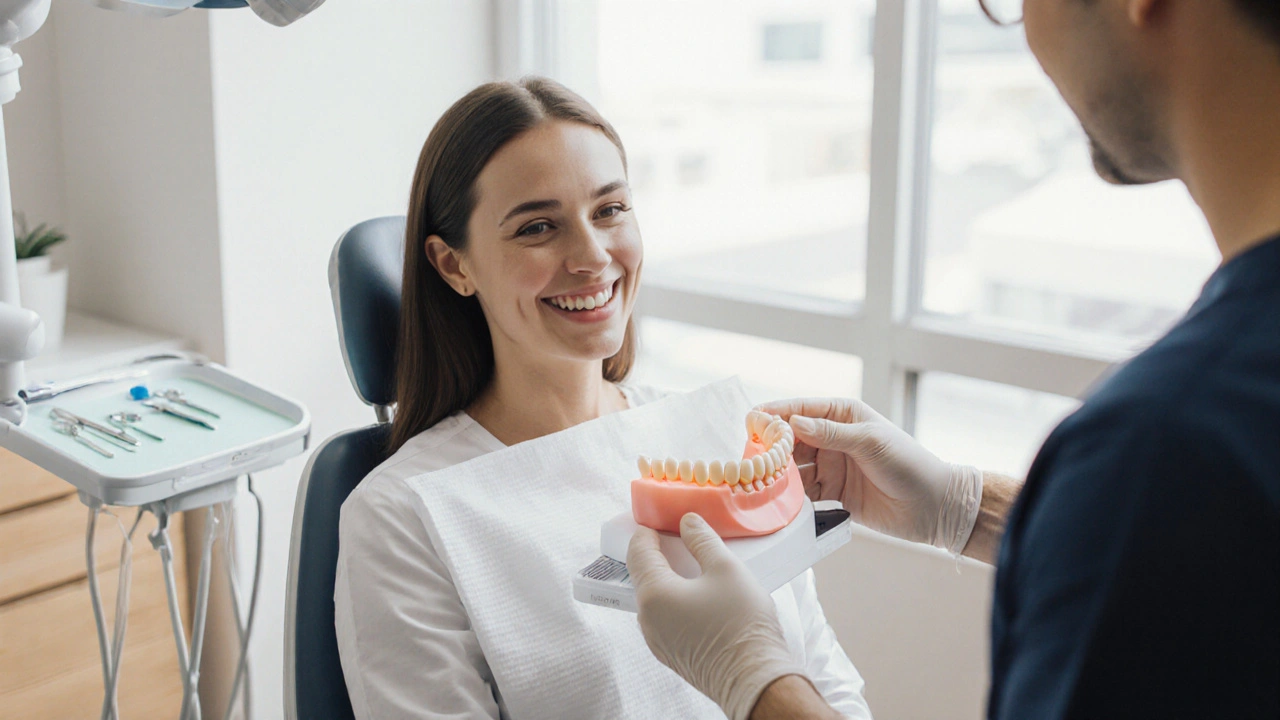
Zdraví a péče o zuby
Jak si nechat udělat nové zuby: Krok za krokem od konsultace po konečný výsledek
- Veronika Skalická
- Nov 22, 2025
Zjistěte, jak si nechat udělat nové zuby - od konsultace po implantáty a protézy. Porovnejte možnosti, ceny a doby trvání a zjistěte, co je pro vás nejlepší volba.